Mobile Live Dealer Poker: Bonusgesteuerte Varianten und Reibungslose Zahlungsflüsse
Mobile Live Dealer Poker: Bonusgesteuerte Varianten und Reibungslose Zahlungsflüsse
Die Grundlagen von Mobile Live Dealer Poker
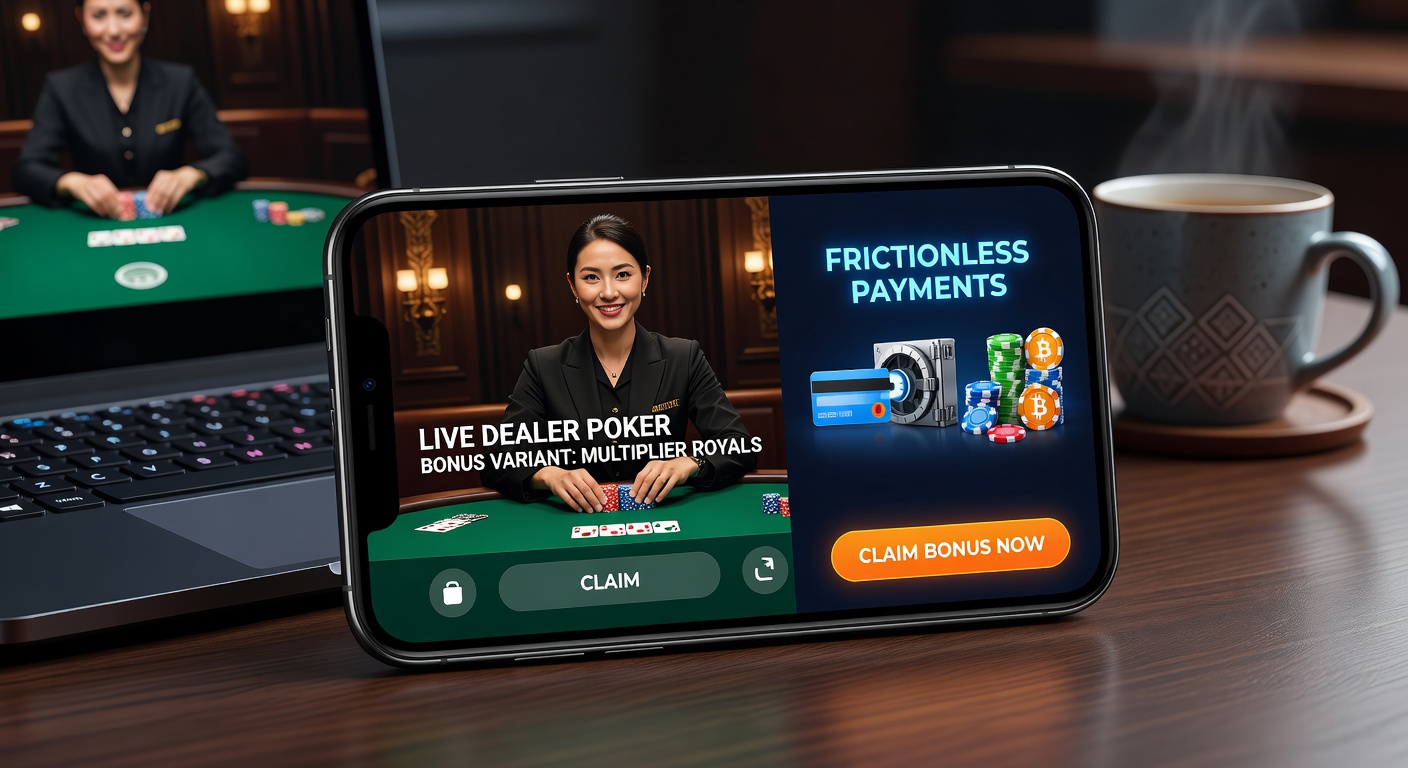
Experts have long observed how mobile live dealer poker has transformed the way players engage with the game, blending the authenticity of real casino experiences with the convenience of smartphones and tablets; since its rise around 2018, platforms have integrated high-definition streaming from studios in places like Malta and the Philippines, allowing users to interact with professional dealers in real time while betting from anywhere. Data from industry reports indicates that by early 2026, over 60 percent of online poker traffic came from mobile devices, a shift driven by improved 5G networks and app optimizations that minimize lag to under 100 milliseconds. What's interesting is how this format retains classic poker rules—Texas Hold'em, Omaha, or Seven-Card Stud—but adapts them for touchscreens, with intuitive swipes for betting and multi-table views that let players juggle several games without missing a beat.
And yet, the real draw lies in its accessibility; people often find that sessions can start in seconds, whether during a commute or a coffee break, as operators like those licensed under the Malta Gaming Authority ensure fair play through certified random number generators and live oversight. Turns out, this setup not only boosts participation rates—figures reveal a 35 percent uptick in average session lengths on mobile versus desktop—but also fosters community via chat features, where players exchange strategies mid-hand.
Bonusgesteuerte Varianten im Detail
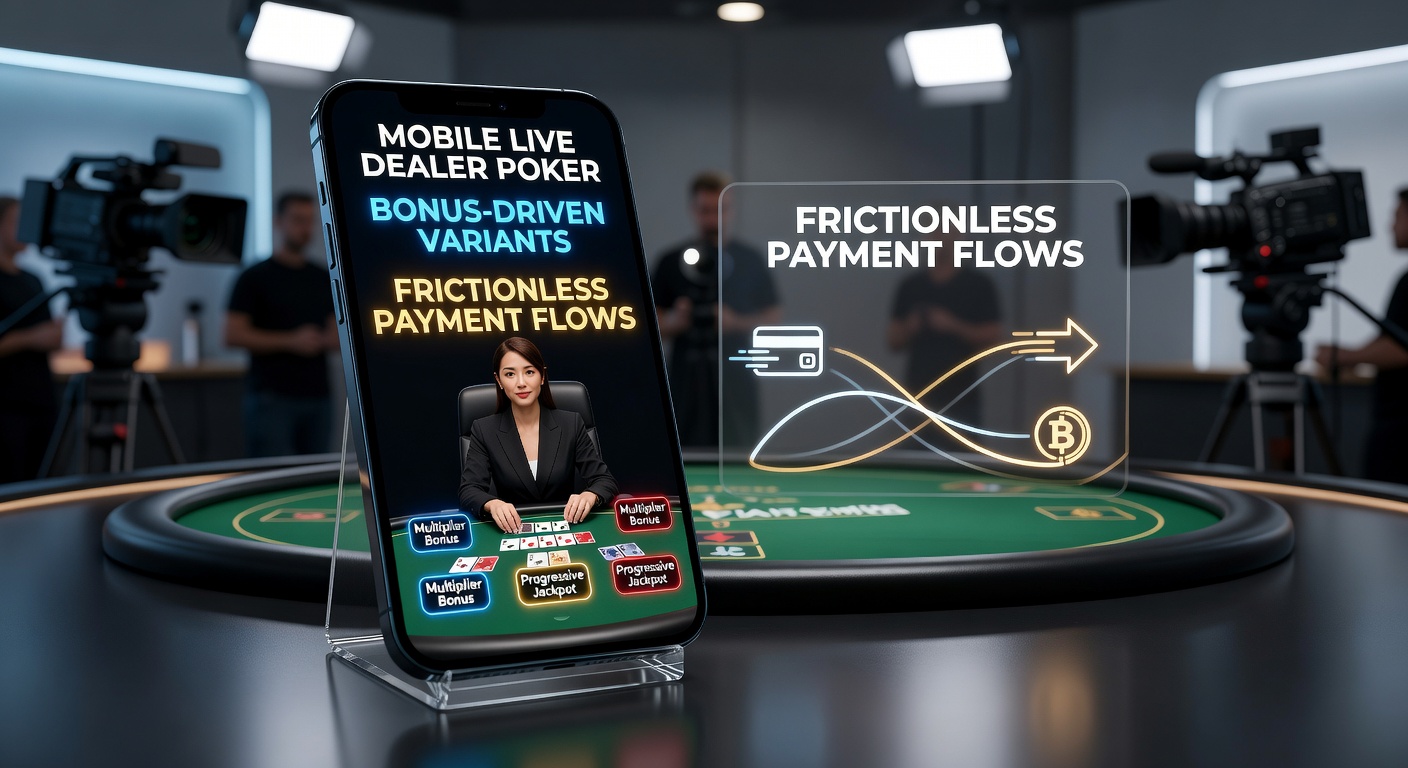
Bonus-driven variants have become a cornerstone of mobile live dealer poker, where operators layer incentives directly into gameplay to heighten engagement without altering core mechanics; for instance, cashback on rake—typically 20 to 40 percent returned weekly—applies to every pot contributed, turning routine hands into sustained value plays, while studies from gaming research firms show these mechanisms increase player retention by up to 50 percent over standard tables. Here's where it gets interesting: variants like Turbo Poker with bonus multipliers accelerate blind levels yet award extra chips for aggressive plays, or Progressive Jackpots that pool side bets across live sessions, paying out when specific card combos hit, as seen in platforms reporting jackpots exceeding €100,000 in pooled funds by April 2026.
Observers note how these bonuses tie into loyalty programs, where rakeback escalates with VIP tiers—bronze players might see 15 percent returns, escalating to 60 percent for diamonds—creating a ladder that rewards consistent action; one case involved a European operator where data indicated that bonus-optimized tables saw 25 percent higher traffic during peak hours, since players chased not just pots but compounded rewards. But there's more: no-deposit bonuses for live poker trials, often €10 to €50 in free play credits, lower entry barriers, enabling newcomers to test dealer interactions risk-free, although wagering requirements—usually 30x the bonus—ensure balanced play.
- Rakeback-Boni: Wöchentliche Rückerstattungen basierend auf Gebühren.
- Multiplier-Varianten: Schnellere Spiele mit Bonus-Chips für Bold-Moves.
- Jackpot-Add-ons: Gemeinsame Pots für seltene Hände.
Reibungslose Zahlungsflüsse auf Mobilgeräten
Frictionless payment flows stand out as a game-changer in mobile live dealer poker, where deposits and withdrawals process in under 60 seconds via integrated wallets like Apple Pay, Google Pay, or crypto options such as USDT; research from the eCOGRA highlights how these methods reduced cart abandonment by 40 percent, since players can fund accounts mid-session without leaving the app, tapping biometrics for instant verification. The reality is, operators now support over 20 payment gateways per region, from SEPA transfers in the EU—clearing in 1-2 business days—to Interac in Canada, which handles micro-deposits from €1 seamlessly.
So, what's significant is the shift to one-click payouts, where verified users cash out winnings directly to linked cards or e-wallets, bypassing KYC hurdles post-initial setup; figures from Q1 2026 reports reveal average withdrawal times dropped to 15 minutes for 85 percent of transactions, thanks to AI-driven compliance checks that scan documents in-app. People who've studied this know that crypto integration adds anonymity and speed—Bitcoin Lightning Network transactions confirm in seconds with fees under €0.50—although volatility hedges like stablecoins keep bankrolls steady. And in April 2026, new EU directives mandated even faster flows, pushing platforms to adopt blockchain ledgers for transparent audit trails.
Technische Innovationen und April 2026 Updates
By April 2026, technical innovations had propelled mobile live dealer poker forward, with AR overlays allowing players to project holographic tables onto real-world surfaces via apps, while edge computing reduced latency to sub-50ms even on 4G; data indicates these upgrades correlated with a 28 percent rise in concurrent users, as studios deployed 8K cameras for crystal-clear dealer views. Experts observe how AI croupiers assist during off-peak hours—shuffling virtual decks indistinguishable from human ones—yet hand off seamlessly to live staff, maintaining the social thrill that draws crowds.
Now, multi-angle streams and haptic feedback vibrate phones on big wins, enhancing immersion; one study from a Canadian gaming institute found that such features boosted satisfaction scores by 22 percent, since they mimic physical casino vibes. Turns out, cross-platform syncing lets sessions jump from phone to desktop mid-hand, preserving stacks and bonuses intact.
Regulatorische Rahmenbedingungen und Fallbeispiele
Regulatory frameworks shape these developments, with bodies like Australia's Australian Communications and Media Authority enforcing strict ad disclosures for bonus promotions, ensuring transparency in mobile apps; in the US, state commissions such as New Jersey's Division of Gaming Enforcement mandate geofencing to restrict play to licensed zones, data showing 99 percent compliance rates via GPS tech. There's this case where a Maltese-licensed platform faced scrutiny in 2025 but adapted by integrating real-time responsible gaming tools—deposit limits and self-exclusion toggles—resulting in a 15 percent drop in problem play flags per eCOGRA audits.
Another example: Ontario's Alcohol and Gaming Commission rolled out unified payment standards in early 2026, standardizing frictionless flows across operators, which led to a 30 percent volume increase in live poker wagers; observers note how these rules, while adding compliance layers, ultimately build trust, as verified RNG certificates from labs like iTech Labs underpin every shuffle.
Vorteile, Herausforderungen und Markttrends
The advantages shine through in user metrics—mobile live poker logs 70 percent higher daily active users than static versions, per industry trackers—yet challenges like battery drain from HD streams persist, although optimizations now cap usage at 10 percent per hour; security remains paramount, with end-to-end encryption thwarting breaches, as no major incidents marred 2026 so far. But here's the thing: hybrid bonuses blending cashback with free spins on slots keep players orbiting poker tables longer, fostering ecosystem loyalty.
Market trends point to expansion, with Asia-Pacific regions adopting via localized dealers speaking Mandarin or Japanese, driving 45 percent YoY growth; in Europe, GDPR-compliant data handling ensures privacy, while Latin American markets test crypto-heavy models.
Zukunftsaussichten für das Segment
Looking ahead, experts predict VR integration by 2027 will let players "sit" at global tables, mingling avatars with live dealers; bonus variants may evolve to skill-based challenges, rewarding bluffs with escalating multipliers, based on current prototypes. Payment flows could standardize around CBDCs, slashing fees further; data from foresight reports suggests global mobile poker revenue hitting €15 billion annually by decade's end, fueled by these seamless elements.
It's noteworthy that sustainability pushes—green data centers powering streams—align with regs, as operators offset carbon footprints from streaming rigs.
Fazit
Mobile live dealer poker, through bonus-driven variants and frictionless payment flows, continues to redefine online gaming landscapes, delivering authentic thrills with modern efficiencies; as April 2026 data underscores, adoption surges where tech meets regulation, promising even richer experiences ahead. Those tracking the space see a mature ecosystem emerging, balanced between excitement and responsibility.